Russian Gray Banya vs Finnish Sauna: Understanding Two Ancient Wellness Traditions
Discover the profound differences between Russian gray banya and Finnish sauna. From heating philosophy to steam quality, explore two distinct paths to wellness and learn why the rare gray banya experience offers something irreplaceable in our modern world.
Russian Gray Banya vs Finnish Sauna: Understanding Two Ancient Wellness Traditions
The sauna culture of Northern Europe represents one of humanity's oldest wellness traditions, with practices dating back thousands of years. While Finnish sauna has gained worldwide recognition as the quintessential Nordic bathing experience, the Russian gray banya (or "banya po-seromy") remains a lesser-known treasure that offers a profoundly different approach to heat therapy and spiritual cleansing.
Both traditions share common roots in the harsh northern climate, yet they have evolved into distinct practices with unique philosophies, techniques, and health benefits.
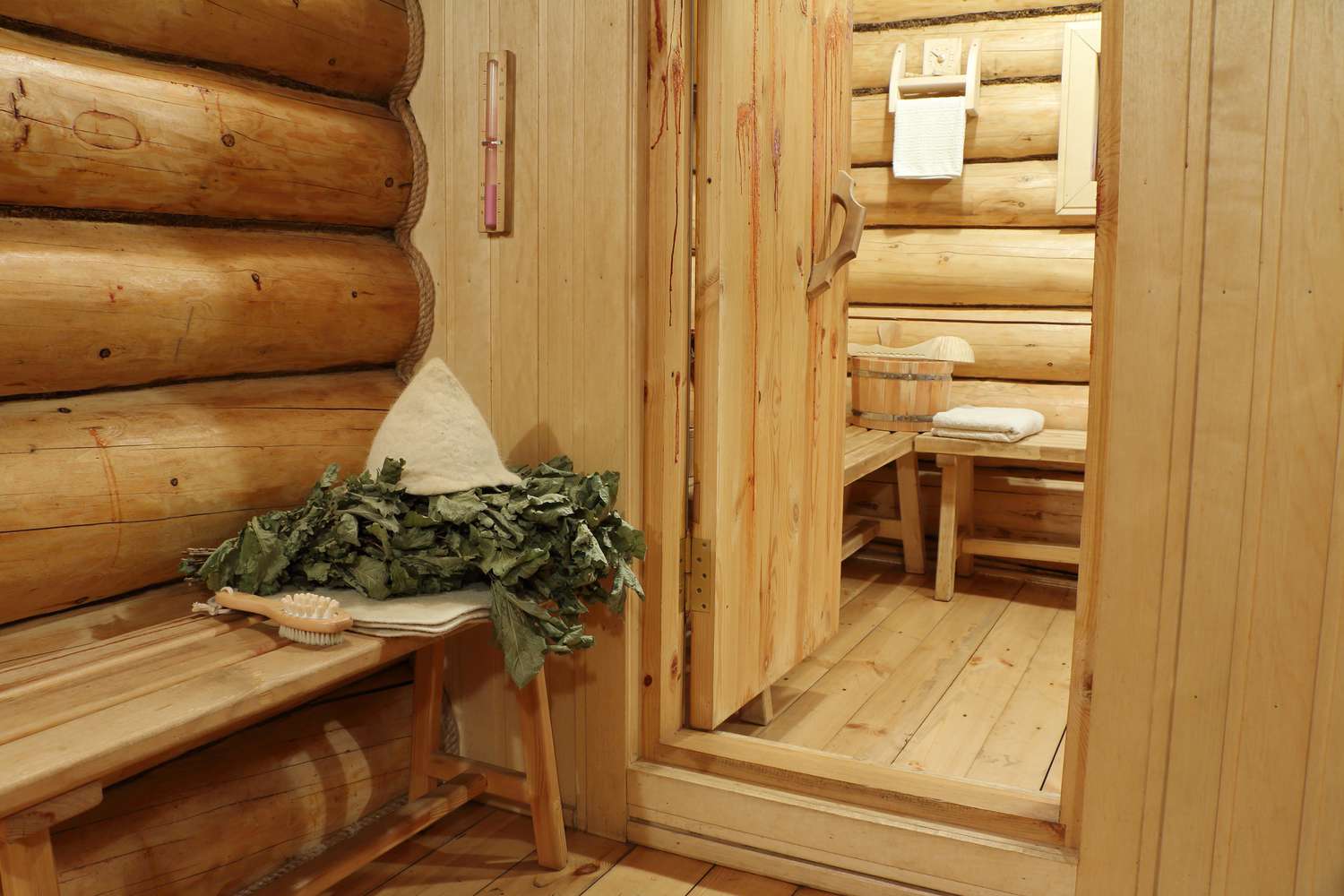
As someone who has spent years perfecting the art of traditional Russian gray banya at our retreat in Vaikla, Estonia, I have witnessed countless guests discover the remarkable differences between these two sauna traditions. Many arrive expecting a familiar Finnish sauna experience, only to find themselves transformed by the depth, complexity, and ritualistic nature of authentic gray banya.
This article explores the fundamental distinctions between these two wellness practices, helping you understand what makes each tradition special and why the gray banya experience offers something truly irreplaceable in our modern world.
The Fundamental Philosophy: Quick Heat vs. Deep Warmth
The most profound difference between Finnish sauna and Russian gray banya lies not in temperature or humidity, but in the underlying philosophy of heat itself.
Finnish sauna culture emphasizes immediate, intense heat that quickly raises body temperature, induces sweating, and provides rapid cardiovascular stimulation. The typical Finnish sauna session lasts 10-20 minutes at temperatures between 70-100°C (158-212°F), followed by a cooling period and repetition. This approach treats heat as a powerful, direct stimulus—a shock to the system that invigorates and cleanses through intensity.
Russian gray banya, by contrast, embraces the concept of gradual, penetrating warmth that slowly builds over hours rather than minutes. The massive brick stove at the heart of a traditional gray banya requires two full days of continuous heating to reach optimal temperature. This extended preparation creates a fundamentally different quality of heat—one that radiates from the brick mass with gentle consistency, warming not just the air but the very walls, benches, and atmosphere of the space.
The result is a heat that feels less aggressive, more enveloping, and capable of penetrating deeper into muscle tissue and joints.
This philosophical difference reflects broader cultural attitudes toward wellness and time. Finnish sauna culture fits naturally into modern life, offering efficient relaxation that can be completed in an hour. Gray banya, however, demands patience and presence. It cannot be rushed. The two-day heating process itself becomes a meditation on preparation and anticipation, while the extended bathing ritual—often lasting 3-4 hours—creates space for genuine disconnection from the hurried pace of contemporary existence.
The Heating Process: Technology vs. Tradition
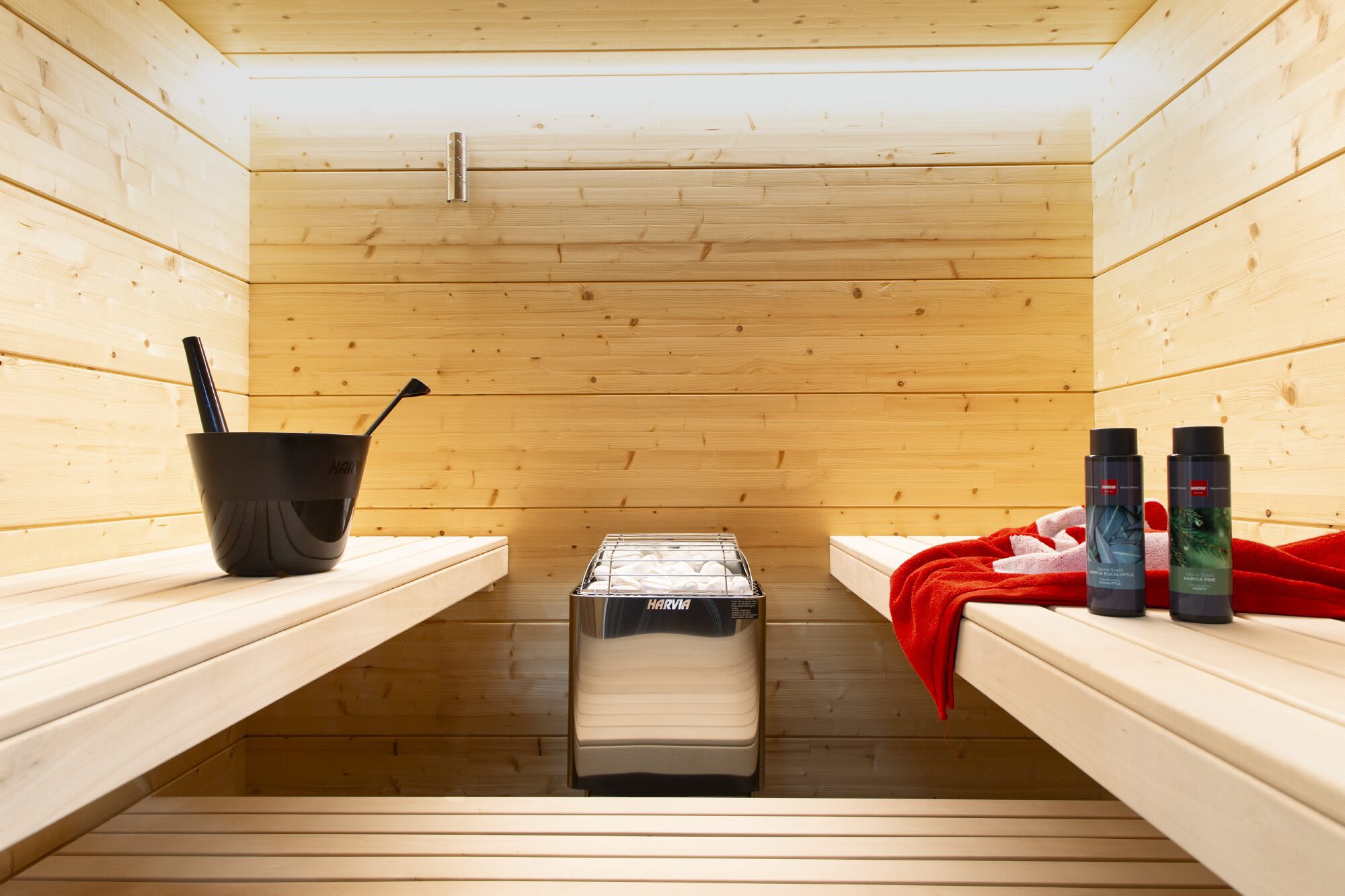
Modern Finnish saunas typically employ electric or wood-burning stoves that heat quickly and maintain consistent temperatures through thermostatic control. Even traditional Finnish smoke saunas (savusauna), which represent the older form of Finnish bathing, complete their heating cycle in 6-8 hours. The emphasis is on efficiency and repeatability—the ability to prepare a sauna experience on demand, whenever desired.
The Russian gray banya's massive brick stove (often weighing several tons) operates on entirely different principles. Wood is burned continuously for 48 hours, with smoke initially venting through the bathing room itself before being channeled through the chimney as the stove reaches temperature. This "gray" smoke period (which gives the banya its name) seasons the space with aromatic wood smoke and creates a unique atmospheric quality that cannot be replicated by clean-burning stoves.
The thermal mass of the brick stove serves multiple crucial functions:
First, it stores enormous quantities of heat energy that radiate steadily for 8-12 hours after the fire is extinguished, maintaining comfortable temperatures throughout extended bathing sessions without the need for continuous burning.
Second, the brick's heat capacity creates exceptional steam quality when water is ladled onto the stones—the steam is finer, more dispersed, and less harsh than the sharp burst produced by smaller Finnish stove stones.
Third, the radiant heat from the brick walls warms the body from all directions simultaneously, creating the sensation of being embraced by warmth rather than assaulted by it.
This heating process cannot be modernized or accelerated without fundamentally changing the experience. The slow accumulation of heat in the brick mass creates a specific quality of warmth that quick-heating systems simply cannot replicate, no matter how sophisticated their temperature controls.
Steam Quality and Humidity: The Art of "Paar"
Finnish sauna traditionally operates as a dry heat environment, with relative humidity typically between 10-20%. Water is occasionally thrown on the stove stones to create brief bursts of steam (called "löyly" in Finnish), which temporarily raises humidity and intensifies the heat sensation. However, the overall experience remains relatively dry, allowing for the extreme temperatures (80-100°C) that characterize Finnish sauna culture.
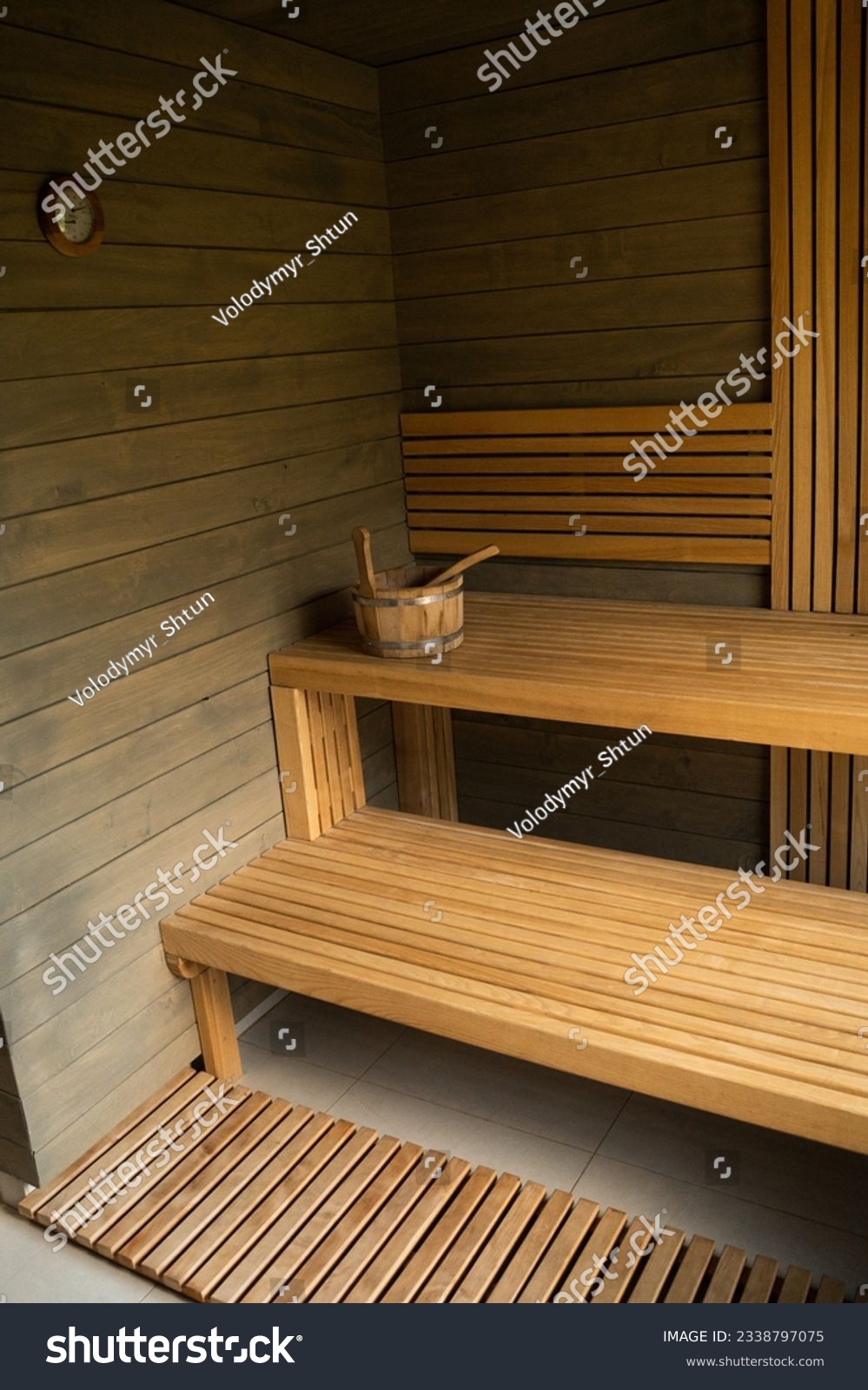
Russian banya embraces higher humidity as a central element of the experience, typically maintaining 40-60% relative humidity at lower temperatures (60-70°C). The steam in a gray banya—called "paar" in Russian—is considered an art form in itself. Experienced banya masters spend years perfecting their technique for creating the ideal steam: fine, dispersed, and "light" rather than heavy or oppressive.
The quality of paar depends on numerous factors: the temperature of the stones, the purity of the water, the technique of ladling, and even the addition of aromatic infusions (kvass, herbal decoctions, or essential oils).
The higher humidity of Russian banya creates several distinctive effects:
First, it allows for effective heat therapy at lower temperatures, making the experience accessible to those who find Finnish sauna uncomfortably hot.
Second, the moist heat is particularly beneficial for respiratory health, helping to clear sinuses and ease breathing.
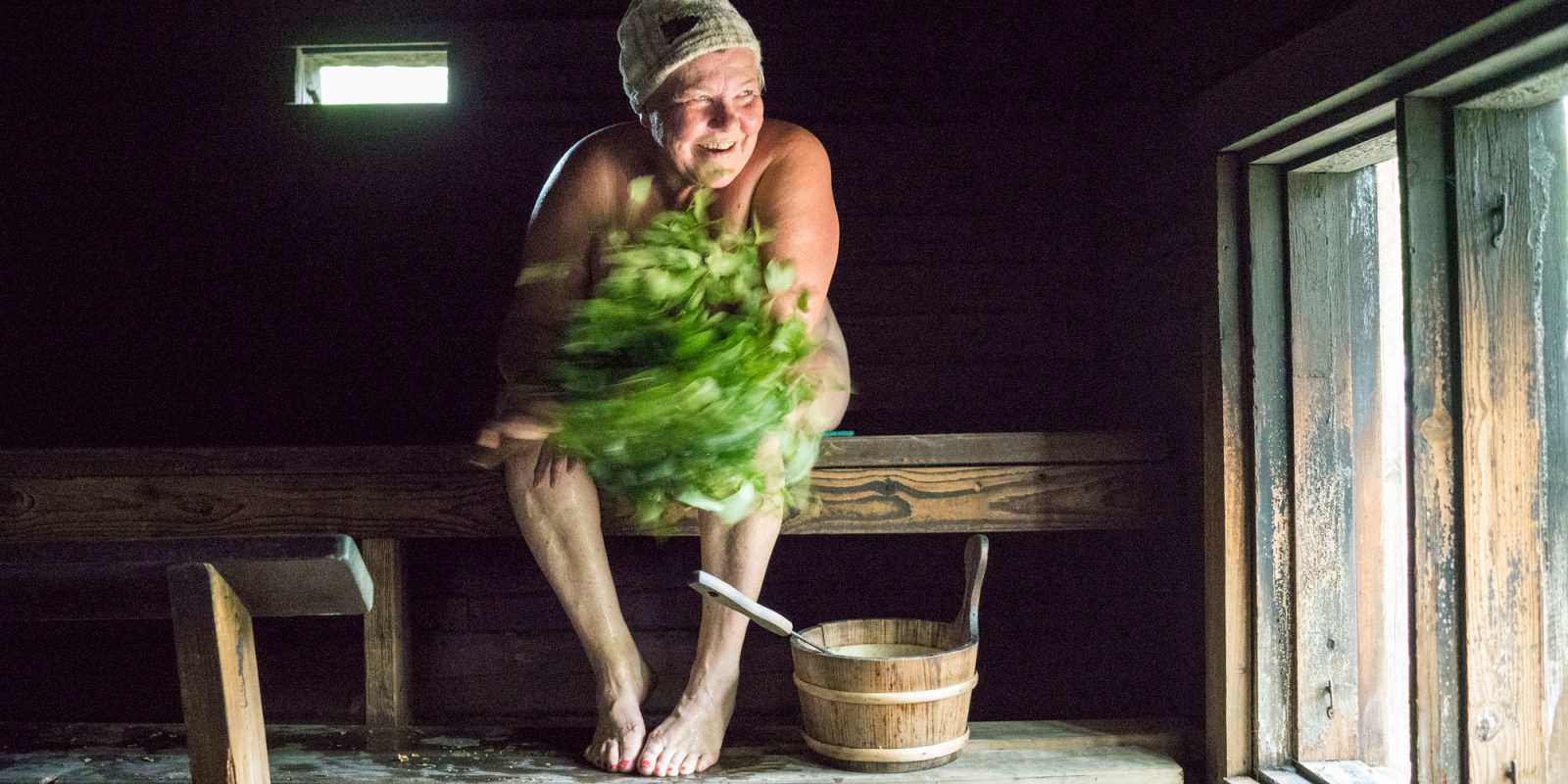
Third, the humid environment is ideal for the signature banya practice of venik massage—the therapeutic beating with bundles of leafy birch or oak branches, which would be too harsh and drying in the low-humidity Finnish environment.
The contrast between Finnish löyly and Russian paar represents two different philosophies of steam itself. Finnish löyly provides a sharp, intense burst of heat that quickly dissipates—a moment of intensity within the dry heat experience. Russian paar creates a sustained atmosphere of humid warmth that envelops the entire session, fundamentally changing the character of the heat rather than briefly intensifying it.
Bathing Rituals and Social Traditions
Finnish sauna culture emphasizes quiet contemplation and personal space. While saunas are often social spaces where families and friends gather, the actual time in the heat room tends to be relatively silent and meditative. Conversation happens between sauna rounds, during cooling periods, or while sharing refreshments. The Finnish approach respects individual experience within a shared space, with each person managing their own heat tolerance and timing.
Russian banya, by contrast, is fundamentally communal and interactive. The extended bathing session creates time for conversation, storytelling, and shared rituals that form the heart of the banya experience. The banya master (often the host) actively guides the session, controlling steam generation, orchestrating venik treatments, and ensuring each guest receives personalized attention.
This is not a passive experience where individuals simply sit in heat—it is an active, participatory ritual where the social dimension enhances rather than distracts from the wellness benefits.
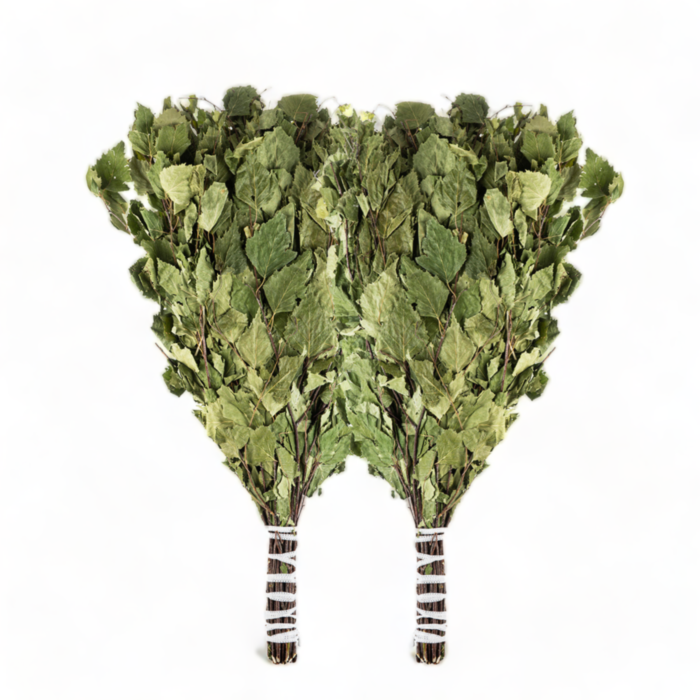
The venik ritual itself exemplifies this interactive approach. Bundles of fresh birch or oak branches (soaked in hot water to release their aromatic oils) are used to gently beat the skin in rhythmic patterns, stimulating circulation, exfoliating dead skin cells, and infusing the body with beneficial plant compounds. This is typically performed by a partner or the banya master, creating an element of care and service that has no equivalent in Finnish sauna tradition.
The venik massage can be gentle and meditative or vigorous and invigorating, adjusted to each person's preferences and needs.
The social dimension extends to the traditional accompaniments of the banya experience. Russian banya culture includes elaborate tea ceremonies with herbal infusions, honey, and traditional sweets; storytelling and philosophical discussions during rest periods; and often, communal meals featuring traditional foods. These elements transform the banya from a simple heat therapy session into a comprehensive wellness retreat that nourishes body, mind, and social connections simultaneously.
Temperature Tolerance and Accessibility
Finnish sauna's high temperatures (80-100°C) and low humidity create an intense experience that requires gradual acclimatization. First-time sauna users often find the heat overwhelming, and even experienced sauna-goers typically limit their time in the heat room to 10-15 minutes before needing to cool down.
This intensity is part of the Finnish sauna's appeal—it provides a powerful cardiovascular workout and induces profuse sweating quickly—but it also creates barriers for those with heat sensitivity, cardiovascular concerns, or respiratory conditions.
Russian gray banya's lower temperatures (60-70°C) and higher humidity create a gentler heat profile that is accessible to a wider range of people. The moist heat feels less aggressive, allowing for extended sessions of 20-30 minutes or more without discomfort. This makes gray banya particularly suitable for elderly guests, those with respiratory conditions (the humid air is therapeutic rather than irritating), and people who find Finnish sauna intolerably hot.
The accessibility difference extends beyond physical tolerance. Finnish sauna's efficiency makes it easy to incorporate into regular routines—a quick session after work or exercise. Gray banya's time requirement (both the two-day preparation and the 3-4 hour session) makes it an occasional, special event rather than a frequent practice. This positions the two traditions differently in modern wellness routines: Finnish sauna as regular maintenance, gray banya as periodic deep restoration.
Health Benefits: Overlapping Yet Distinct
Both Finnish sauna and Russian gray banya offer substantial health benefits, many of which overlap due to the fundamental effects of heat therapy on the human body. Regular heat exposure improves cardiovascular function, enhances detoxification through sweating, reduces muscle tension, improves sleep quality, and provides stress relief. Research on Finnish sauna has documented reduced risk of cardiovascular disease, dementia, and all-cause mortality among regular users.
However, the specific characteristics of each tradition create some distinctive benefits:
Finnish sauna's high heat and rapid temperature changes (especially when combined with cold plunges) provide intense cardiovascular stimulation, training the body's thermoregulatory systems and potentially offering greater hormetic stress benefits. The dry heat is particularly effective for inducing profuse sweating and may be preferred by those seeking maximum detoxification effects.
Russian gray banya's humid heat and lower temperatures create gentler cardiovascular demands while still providing substantial benefits. The moist heat is particularly therapeutic for respiratory conditions, helping to loosen mucus, reduce inflammation, and ease breathing. The venik massage adds a unique dimension of benefit: the mechanical stimulation improves circulation and lymphatic drainage, while the plant compounds (particularly from birch and oak) have anti-inflammatory and antimicrobial properties that are absorbed through the skin.
The extended duration of gray banya sessions may also provide deeper relaxation and stress relief, as the 3-4 hour ritual creates genuine separation from daily concerns and allows the nervous system to fully shift into parasympathetic (rest and digest) mode.
Cultural Context and Preservation
Finnish sauna culture has successfully transitioned into the modern world, with saunas found in homes, gyms, hotels, and spas throughout Finland and increasingly worldwide. This widespread adoption has ensured the tradition's survival and evolution, though it has also led to considerable variation in practice—from authentic wood-fired saunas to electric home units that provide convenience but lack some traditional elements.
Russian gray banya, by contrast, has become increasingly rare. The two-day heating requirement, the specialized knowledge needed to build and operate a proper brick stove, and the time commitment required for authentic sessions have made gray banya impractical for most modern contexts. Many contemporary Russian banyas use metal stoves that heat quickly, sacrificing the distinctive qualities of the traditional gray banya for convenience.
This rarity makes authentic gray banya experiences increasingly precious. Those who maintain the traditional practice are preserving not just a wellness technique but a living connection to ancestral knowledge about heat, architecture, ritual, and community. The gray banya represents a form of "slow wellness" that runs counter to modern efficiency culture—and perhaps that's precisely why it offers something irreplaceable.
Making Your Choice: Which Tradition Is Right for You?
The question isn't necessarily which tradition is "better" but rather which aligns with your needs, preferences, and circumstances:
Choose Finnish sauna if you:
- Prefer intense, efficient heat exposure
- Want a practice you can incorporate regularly into your routine
- Enjoy dry heat environments
- Appreciate quiet, meditative solo experiences
- Seek maximum cardiovascular stimulation
Choose Russian gray banya if you:
- Prefer gentler, more gradual heat exposure
- Enjoy humid, aromatic environments
- Can dedicate several hours to a comprehensive wellness ritual
- Value social connection and guided experiences
- Want deeper muscle relaxation and respiratory benefits
- Are interested in traditional healing practices and cultural immersion
For many guests at our Vaikla retreat, the revelation is that these traditions complement rather than compete with each other. Those familiar with Finnish sauna discover that gray banya offers something entirely different—not better or worse, but profoundly distinct in character and effect.
The extended ritual, the quality of heat, the venik massage, and the social dimension create an experience that cannot be reduced to simple temperature and humidity measurements.
Experiencing Authentic Gray Banya at Vaikla
At our retreat in Vaikla, Estonia, we maintain one of the few remaining authentic gray banyas in the region. Our massive brick stove requires the traditional two-day heating process, creating the genuine depth of warmth that defines this ancient practice. Each banya session is personally guided, with customized steam generation, venik treatments using fresh birch and oak branches, and traditional tea ceremonies featuring local herbs and honey.
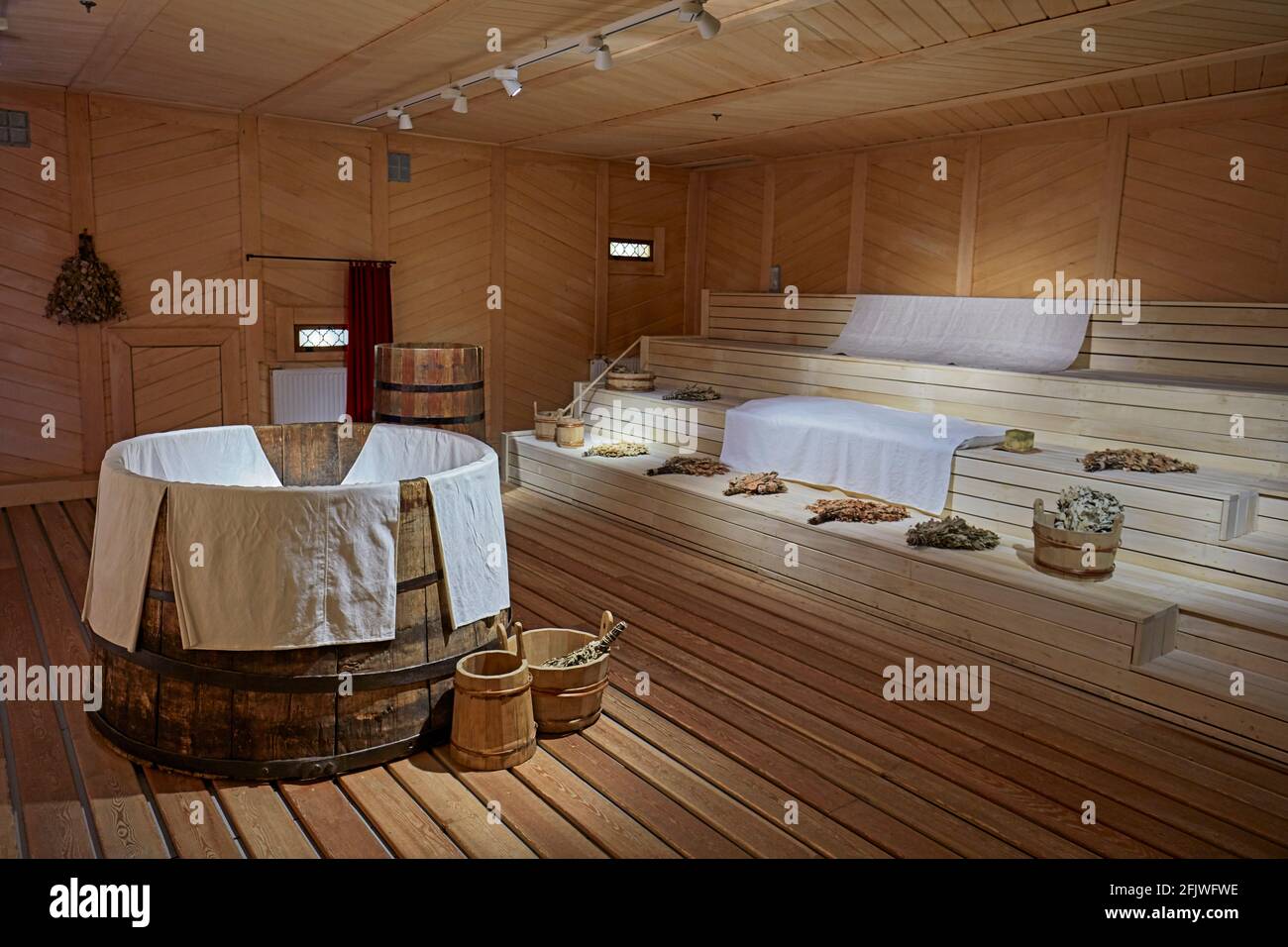
The location itself enhances the experience—our private lake allows for the traditional contrast bathing that is essential to both Finnish and Russian traditions, while the peaceful Ida-Virumaa countryside provides the tranquil setting necessary for genuine relaxation and reflection.
Whether you are a sauna enthusiast seeking to expand your understanding of heat therapy traditions or a wellness seeker looking for authentic, transformative experiences, our gray banya offers something increasingly rare in the modern world: a practice preserved in its original form, unhurried and uncompromised.
Conclusion: Two Paths to Wellness
Finnish sauna and Russian gray banya represent two distinct approaches to heat therapy, each with its own philosophy, techniques, and benefits. Finnish sauna offers intense, efficient heat exposure that fits naturally into modern life while providing substantial health benefits. Russian gray banya provides a gentler, more ritualistic experience that demands time and patience but rewards participants with profound relaxation, social connection, and a glimpse into an ancient wellness tradition.
In our fast-paced world, both traditions offer valuable counterpoints to the stress and disconnection of contemporary life. Finnish sauna provides accessible, regular heat therapy that can be practiced weekly or even daily. Gray banya offers occasional deep immersion experiences that reset both body and mind through extended ritual and human connection.
The true wisdom may lie not in choosing between these traditions but in appreciating what each offers. For those fortunate enough to experience authentic gray banya, the revelation is not that it replaces Finnish sauna but that it opens a different door to wellness—one that our ancestors understood and that we are only beginning to rediscover in our modern age.
Both paths lead to health, relaxation, and renewal. The journey you choose depends on what your body, mind, and spirit need in this moment. Perhaps the greatest gift is having access to both traditions, allowing you to select the experience that serves you best at any given time.
Experience It Yourself
Ready to discover the authentic Russian sauna experience at Lake Peipsi?
Book Your RetreatShare this article with friends who might enjoy authentic wellness experiences